Yes, Windrose has a procedurally generated world, but its islands, dungeons, and story content are not entirely random. Each new world generates a different archipelago, changing the positions of islands and the routes between them. Handcrafted locations and quests provide a consistent structure within that changing map.
This distinction matters when starting another playthrough or following someone else’s map. You can encounter familiar locations and objectives, but their positions in the world may differ from those in another save.

How Procedural World Generation Works in Windrose
Windrose uses procedural generation to assemble its open-world archipelago. Instead of giving every player one identical map, the game creates a world with islands distributed across different biomes.
At its Early Access launch in April 2026, Windrose featured approximately 30 procedurally generated islands across three biomes, along with more than 90 handcrafted points of interest (POIs). The current Steam description lists over 100 handcrafted dungeons and POIs.
The three launch biomes are:
- Coastal Jungle: The starting region, containing early-game resources, enemies, and quests.
- Foothills: A more challenging region with different resources, enemies, and progression requirements.
- Cursed Swamps: A higher-level region featuring supernatural enemies and additional story content.
The developers have also been working on Ashlands, a new biome shown in their 2026 development updates.
Procedural generation changes how these regions are arranged on the map, but it does not remove the game’s progression structure. Players still advance through biome-specific quests, equipment upgrades, encounters, and bosses.
Are Windrose Islands Randomly Generated?
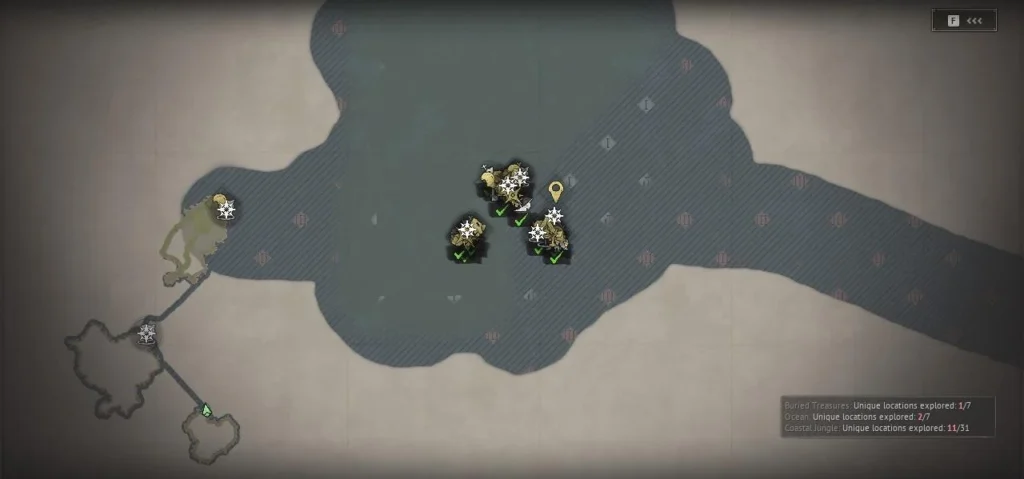
Players often ask whether the Windrose map is randomly generated or whether every world uses the same island layouts. The archipelago changes when a new world is created, with islands appearing in different positions and travel routes varying between saves. However, the islands themselves include handcrafted layouts and recurring points of interest rather than being entirely randomized.
However, random island placement does not mean every island is built from an entirely new design. Windrose also uses recurring island layouts and handcrafted locations. As a result, players may recognize familiar coastlines, ruins, camps, and other landmarks across different worlds.
Some islands retain recognizable arrangements of their points of interest even when their positions on the world map change. The starting area is especially consistent because it supports the game’s opening progression.
This explains why two worlds can have different archipelago maps while individual islands still look familiar.
Do Points of Interest Change Between Worlds?
Windrose contains handcrafted points of interest, including ruins, camps, dungeons, and other exploration locations. These are placed within the procedurally generated world rather than being entirely new creations for every save.
Their positions across the archipelago can change, but individual locations may retain the same recognizable design. Some POIs are tied to particular island layouts, so their local positions remain consistent when those layouts appear in another world.
For players using online guides, the important distinction is between a location’s identity and its coordinates. A guide explaining how to complete a dungeon can remain useful across different worlds, while a map showing where to sail may not match your archipelago.
What Stays the Same in Each Windrose World?
Procedural generation does not replace the game’s handcrafted quests, dungeons, bosses, or overall progression.
| World element | What changes between worlds |
|---|---|
| Archipelago layout | Island positions and travel routes can change |
| Biome distribution | The arrangement of biome regions can vary |
| Island designs | Some recurring layouts and familiar landmarks appear |
| Points of interest | World positions can change; some remain tied to specific island layouts |
| Dungeons | Handcrafted content rather than completely randomized dungeon designs |
| Main and side quests | Authored quest content remains part of progression |
| Starting area | Retains familiar early-game locations and objectives |
Handcrafted Dungeons and Story Quests
Windrose’s official Steam description specifically identifies its dungeons and quests as handcrafted content.
That means a different world layout does not automatically produce a different main story, a new set of bosses, or completely redesigned dungeons. Players can encounter familiar objectives and locations while taking different routes to reach them.
Handcrafted content also gives the game a consistent progression structure. The surrounding archipelago changes, but the core quests and major challenges remain recognizable from one playthrough to another.
Is the Starting Island Always the Same?
The starting area is more consistent than the rest of the archipelago.
Players have reported encountering the same early-game points of interest, including the starting mine, ruins, and camp locations, across separate worlds. The coastline and terrain can show variation, but the main locations needed for opening progression remain familiar.
Tortuga is another important exception to the changing world layout. Community map documentation identifies it as the island whose position remains consistent between generated worlds.
As a result, creating another world does not mean relearning every location from scratch. Some parts of Windrose remain recognizable, even when the surrounding sea routes change.
Is the Windrose Map Procedurally Generated?
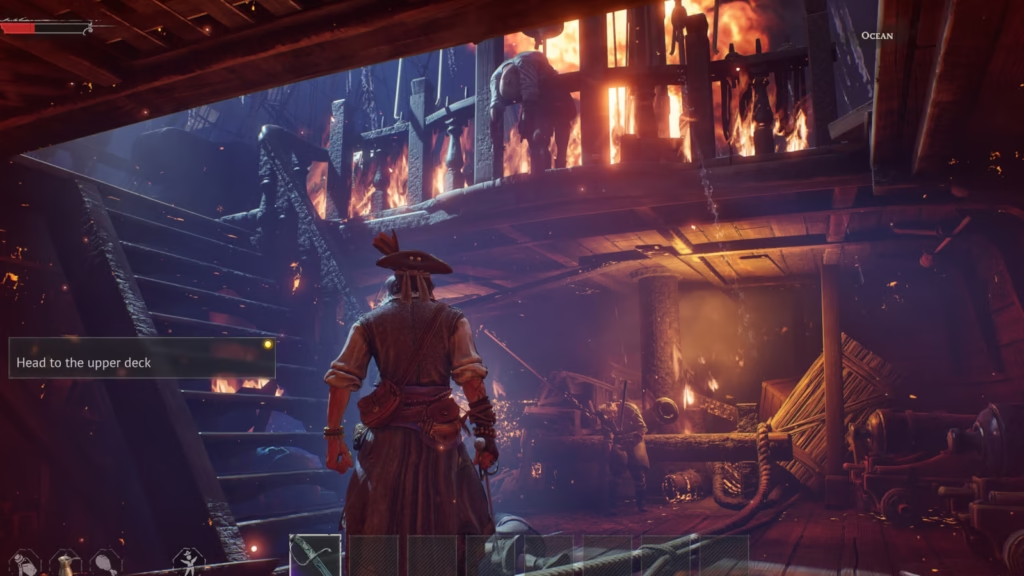
Yes. Creating a new world generates a different archipelago layout. Islands, regional arrangements, and the routes connecting destinations can differ from those in an existing save.
The game does not simply give every player an identical fixed world map. However, because Windrose reuses handcrafted content and recognizable island layouts, different maps can still contain many familiar locations.
This distinction also explains why screenshots from another player’s world may not match your own. The location shown in a guide can exist in your world without appearing at the same coordinates.
Can You Use Another Player’s Windrose Map?
A static map from another save is not a reliable reference for the exact positions of islands and POIs in your own world.
You can still use general guides to identify biome resources, recognize island landmarks, find dungeon entrances, and complete quests. The information about a particular location may remain relevant even when its position on the archipelago changes.
For exact coordinates, a map generated from your own save is more useful. The community-made Windrose Interactive Map supports save-based world layouts and can display the islands and points of interest associated with a particular world.
This is particularly useful when searching for a specific POI without manually checking every island.
Can You Keep Your Character When Starting a New World?
Yes. Windrose separates character progression from individual world layouts, allowing you to use an existing character in another world.
Your character can retain inventory, equipment, talents, and learned progression when moving between worlds. You do not need to create a new pirate simply because you want to explore a different archipelago or join friends.
This gives players two distinct ways to start another adventure:
- Create a new world with an existing character to explore a different map without restarting character progression.
- Create a new character and world to begin again with fresh equipment and progression.
The distinction is particularly relevant in multiplayer. Windrose supports solo play and cooperative sessions, so players can travel to another group’s world without automatically giving up the progress made on their character.
World-specific construction and exploration are separate from the character’s portable progression.
How Procedural Generation Affects Exploration
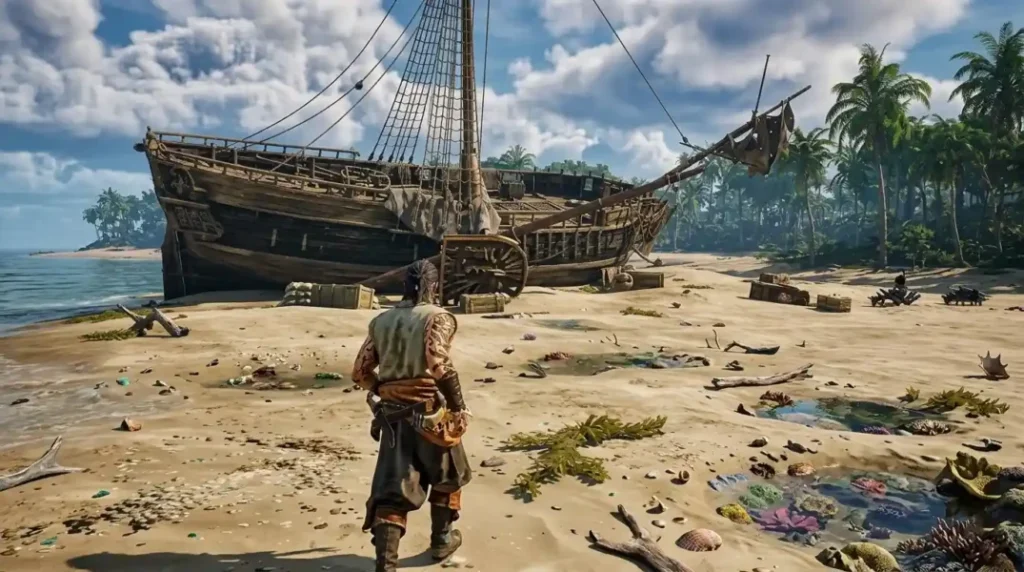
The practical effect of Windrose’s procedural generation is that navigation cannot rely entirely on memorizing one universal world map.
Finding Resources and Planning Routes
Because island placement varies, a route that works in one world may lead somewhere different in another. Players must account for their own archipelago when planning voyages between biomes, gathering materials, or looking for points of interest.
Windrose provides custom map markers that can be used to record useful locations. These are valuable for tracking resource deposits, important landmarks, and places worth returning to.
Marking useful resources is especially helpful when establishing a base. A nearby deposit or convenient travel route in one world may not be in the same place in another.
Exploring Handcrafted Locations
Although Windrose uses procedural generation, many of its major exploration locations have handcrafted designs.
This makes location-specific guidance more reusable than fixed-coordinate directions. Once you recognize a particular dungeon or island layout, information about its challenges and important features can still apply.
The main difference is getting there. A familiar destination can be located elsewhere in the archipelago, requiring a different sailing route.
Starting Another Playthrough
Generating another world provides a different arrangement of islands and travel routes without replacing the game’s authored story and dungeon content.
Returning players can use what they have learned about combat, crafting, quests, and recognizable landmarks while navigating a new map.
Windrose therefore offers variation primarily through world layout and exploration rather than through completely randomized quests or entirely new dungeons each time.
Is Windrose Fully Procedural or Handcrafted?
Windrose combines both approaches.
The archipelago is procedurally generated, while many of the locations and activities within it are handcrafted. New worlds change how islands and regions connect, but the game retains recognizable POIs, designed dungeons, authored quests, and structured progression.
For players, that means there is no single fixed map that perfectly represents every world. The best way to navigate is to use your own map for island positions and rely on location-specific guides for quests, dungeons, resources, and other recurring content.